EN
EN 



In a scenario marked by the search for more sustainable financial alternatives, flexibility, and greater control over spending, consortiums are no longer seen only as an option to traditional financing. Today, they play an important role in the financial planning and wealth-building strategies of many Brazilians.
This change is especially noticeable among younger consumers. At the same time that concern about debt is growing, the search for solutions that allow medium- and long-term goals to be organized without compromising the budget is increasing.
The expansion of the digital consortium has also contributed to this movement. Accustomed to fast and intuitive digital experiences, new consumers value autonomy, practicality, and transparency in all stages of the contracting journey.
Keep reading and discover how the new profile of consortium participants is redefining the sector and which trends should guide the evolution of the market in the coming years.
Young people’s adherence to consortiums is growing
Amid high interest rates, greater difficulty accessing credit, and growing caution regarding debt, new generations have started to consider more sustainable financial alternatives for acquiring goods and services.
Data released by the Brazilian Association of Consortium Administrators (ABAC) show the continuous expansion of the consortium system in Brazil, which brings together millions of active participants and has maintained a growth trajectory in recent years. Another survey, conducted by Ademicon, points out that the number of consortium participants between 18 and 25 years old grew 372% in the last three years. Among consumers aged 26 to 30, the increase was 210% in the same period.
More than a change in financial preference, this movement reflects a transformation in consumer behavior. Instead of prioritizing immediate purchases, many consumers value planning, predictability, and financial control.
Read also: Generation Z and Alpha: how new generations are redefining wealth and financial relationships
New categories expand the interest of young audiences
The expansion of available categories is another factor that contributes to the growth of adherence among younger consumers.
Historically associated with the purchase of vehicles and real estate, consortiums have started to serve different life goals. Today, in addition to traditional credit letters for automobiles and real estate, there are options focused on education, travel, solar energy, technology, aesthetic procedures, and several other purposes.
This diversification broadens the perception of consortiums as a flexible financial planning tool and makes the product more adherent to the needs of different consumer profiles.
What characterizes the new profile of consortium participants?
Although there are differences between generations and consumer profiles, some characteristics have been standing out among new participants in the consortium system:
- greater concern with financial planning;
- search for alternatives to traditional credit;
- preference for digital experiences and self-service;
- appreciation of transparency throughout the journey;
- interest in solutions aligned with specific objectives;
- expectation for personalized and agile service.
These behaviors help explain why consortiums have started to attract consumers who, a few years ago, would hardly consider this modality in their financial plans.
Consortiums and digitalization
Digitalization has profoundly changed the way people relate to financial services, and the consortium market is following this evolution. The topic was even among the highlights of CONAC 2026, which showed the advancement of technology, automation, and new relationship strategies as increasingly relevant factors for the evolution of the sector.
Today’s consumer expects a simple, intuitive, and predominantly digital journey. Researching plans, running simulations, making payments, sending documents, and participating in assemblies by mobile phone are already part of the expectations of a large share of customers.
In this scenario, in-person and bureaucratic processes lose space to digital experiences that offer convenience, agility, and transparency.
The growth of the digital consortium reflects exactly this change in behavior. Applications, online platforms, and digital channels have started to play a central role in the customer journey, contributing to a more fluid and accessible experience.
For administrators, investing in digitalization is no longer just innovation and has become a necessity to keep up with the market’s new demands.
Personalization and digital service gain relevance
Personalization of the journey has stopped being a differentiator and has become an expectation of consumers in practically all sectors, including the consortium market.
Customers expect products, communications, and service to be aligned with their objectives and needs. As a result, administrators need to develop more individualized and data-driven approaches.
Digital service also assumes a strategic role. Consumers who value speed and convenience seek simple, accessible, and efficient interactions throughout the journey.
More than selling shares, the sector needs to build consistent relationships in digital environments. Channels such as WhatsApp, applications, and self-service platforms contribute to closer communication that is compatible with the expectations of digital consumers.
The future of consortiums will be guided by customer experience
The new profile of consortium participants reflects important changes in the financial behavior of Brazilians. In this context, consortiums strengthen their role as a financial planning and wealth-building tool, aligned with the demands of an increasingly informed and connected audience.
The trend is for the sector to continue evolving through the digitalization of processes, the expansion of available categories, and the development of experiences increasingly adherent to consumer expectations. For administrators and companies operating in this market, understanding these changes will be fundamental to attracting and retaining the next generations of consortium participants.
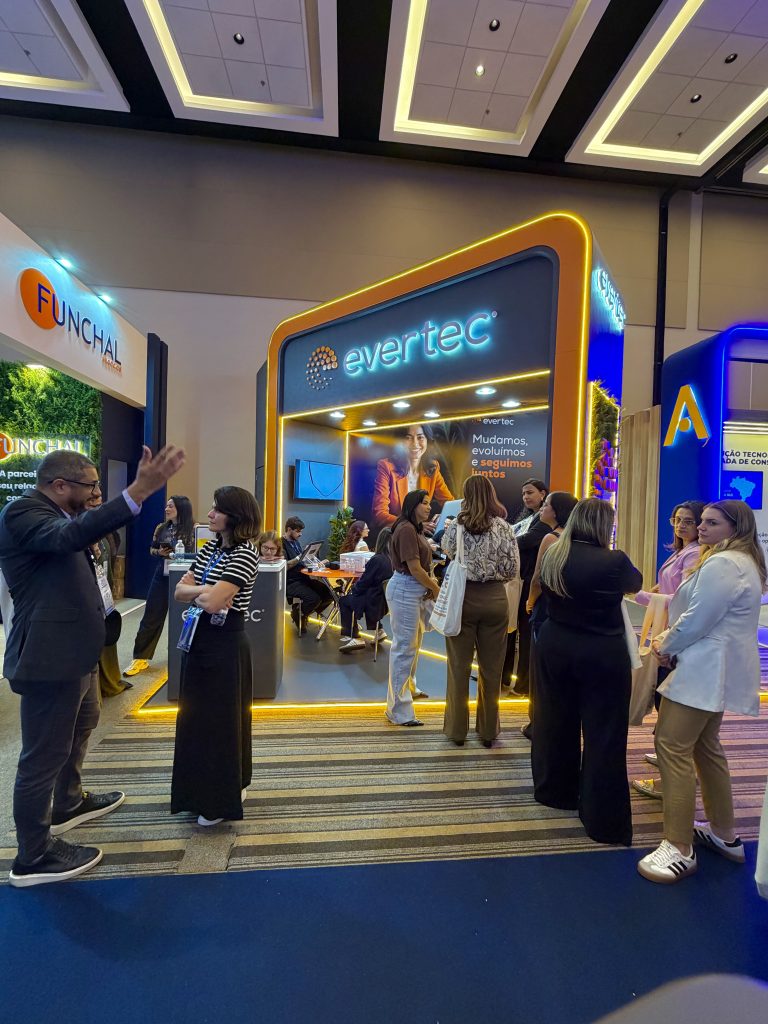
With digital journeys, intelligent automation, and integrated tools, Evertec optimizes all stages of management, from sales to contemplation. Learn about the consortium products and how we can support your operation.